Collective Trauma and Collective Healing: Finding Personal Peace in Uncertain Times by Ellen Scollins, M.Ed., LCPC, CADC
Therapy is often a space for life’s biggest questions. Clients frequently arrive with deep self-reflection and a list of concerns:
What is my life’s purpose?How do I manage intrusive thoughts that keep me stuck?How can I make changes that actually last?
Recently, however, these personal reflections are being overshadowed by larger concerns:
How can I focus on finding a better job when the economy feels unstable?What will happen to my family if global conflict escalates?How can I function at work when I worry about my children’s safety?
Over the past few decades, Americans have collectively experienced events such as 9/11, COVID-19, mass school shootings, and global conflict. These shared experiences contribute to what is known as collective trauma—the psychological impact of events that affect entire communities.

When Personal and Collective Trauma Collide
As a therapist, it is a privilege to hold space for individuals navigating deeply personal struggles—attachment wounds, persistent patterns of thought or behavior, and various forms of mental illness. Trauma is often at the core of these experiences, and much of the therapeutic process involves understanding its impact and working toward healing.
Together, clients and therapists aim to remove barriers to change, build self-awareness, and cultivate a sense of peace.
But what happens when personal healing unfolds alongside global instability?
Even in calm times, life presents challenges. In today’s world, many are also carrying the weight of economic uncertainty, political tension, violence, and constant exposure to distressing news. When overwhelm increases, people may withdraw, shut down, or turn toward dissociative coping strategies—sometimes including addictive behaviors.
Paradoxically, even though these struggles are widely shared, many individuals feel isolated—alone in a crowd.

Trauma’s Impact on Daily Life
Trauma is a significant public health concern. It can be understood as a high-impact stressor that overwhelms an individual’s ability to cope, disrupting their sense of safety, identity, and connection to others.
Trauma may result from:
Single, acute events (e.g., accidents, violence, loss)Chronic or repeated experiences (e.g., abuse, neglect, marginalization, disrupted attachment)
Research shows that trauma is incredibly common:
Approximately 70% of people globally report experiencing at least one traumatic eventIn the United States, estimates suggest nearly 90% of adults have experienced trauma
Trauma affects how the brain and body respond to stress. When reminded of danger, the nervous system may shift into shutdown or survival modes, limiting our ability to think clearly, regulate emotions, or stay present.
Coping, Dissociation, and the Search for Relief
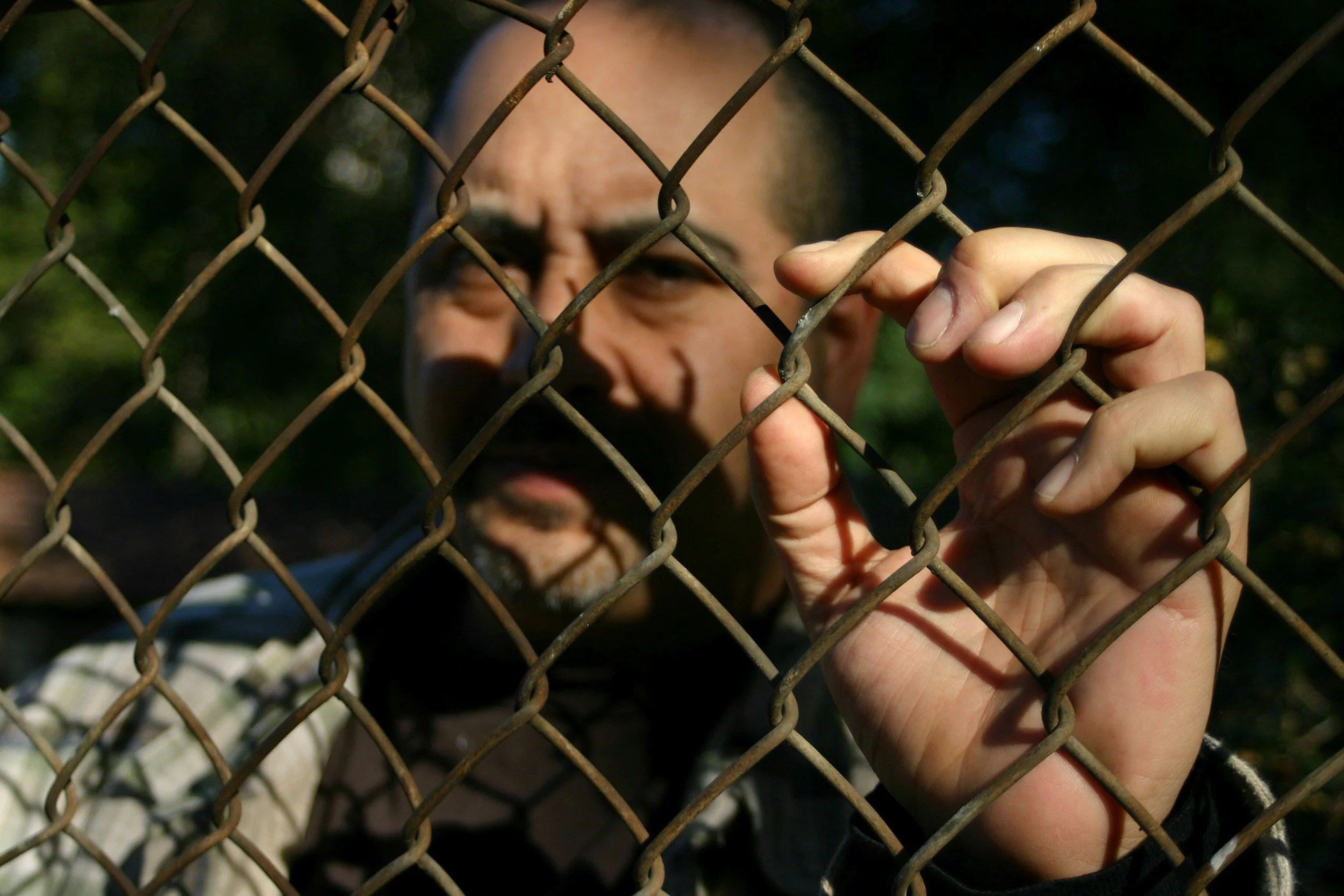
In response to overwhelming stress—both personal and collective—many people seek relief through dissociation, or mental escape.
This can show up in different ways:
Substance useDisordered eatingGambling or gamingExcessive scrolling or media consumption
These behaviors can offer temporary comfort, control, or distraction. While not inherently harmful in all forms, they can become problematic when relied upon as primary coping strategies.
A more sustainable alternative is learning to gently return to the present moment—through mindfulness, grounding, and intentional awareness—especially during times of heightened stress.
Hope for Healing: The Power of Connection
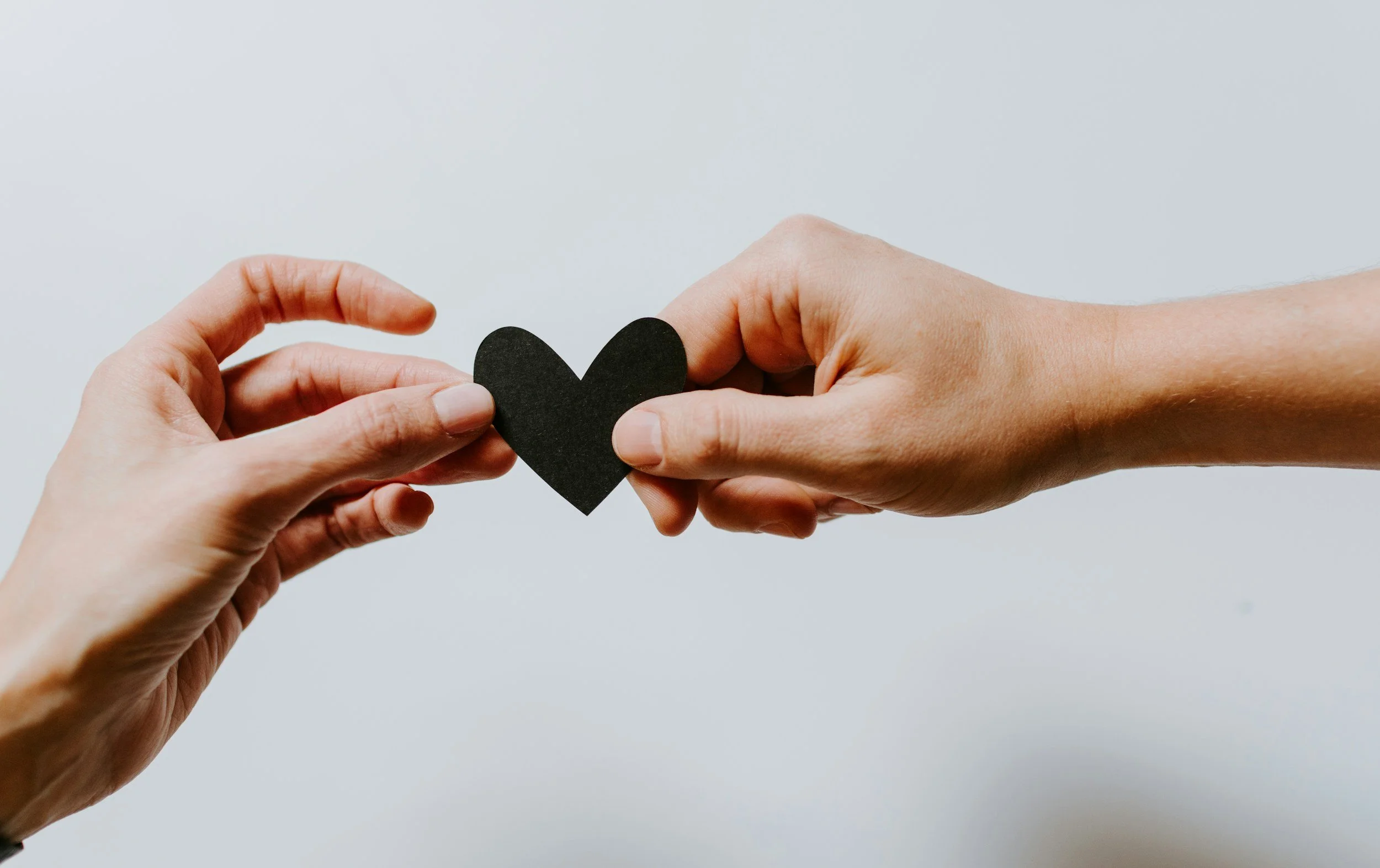
“The opposite of addiction is not sobriety. The opposite of addiction is connection.”
— Johann Hari
So how do we navigate trauma that is ongoing and shared—without a clear endpoint?
The answer lies in connection.
Collective trauma can make the world feel smaller, lonelier, and more uncertain. Yet, as humans, we are wired for relationship. Healing happens not in isolation, but in community.
Connection does not have to be complicated. It can begin with small, meaningful interactions and grow into deeper forms of support.
Opportunities for Connection
Support groups or 12-step programsYoga or group meditation classesPlaces of worship or spiritual communitiesGroup therapyBook clubs or discussion groupsCommunity organizations (e.g., local events, global affairs forums)
Even brief, genuine moments—like a conversation at the grocery store—can help rebuild a sense of belonging.
Therapeutic Pathways for Healing
In clinical settings, several evidence-based approaches support trauma recovery, including:
EMDR (Eye Movement Desensitization and Reprocessing)Somatic and body-based therapiesCognitive Processing Therapy (CPT)Internal Family Systems (IFS)
These approaches help individuals process trauma, reduce reliance on dissociation, and restore a sense of safety and integration.
Moving Forward Together
There are many aspects of the world we cannot control. But we are not powerless.
When feelings of overwhelm or hopelessness arise, the most important step is not to retreat into isolation. Reaching out—whether through conversation, shared presence, or community—can restore perspective, lift emotional weight, and remind us of what matters most.
At the heart of healing is a simple, enduring truth:
We are not meant to do this alone.
If you’d like support or more information, contact Lotus Therapy Group at 708-552-7330 or email lotustherapygroup@gmail.com.