Beyond the Game: Supporting Athletes and Mental Health by Chrissy Hack, MSW, LCSW, PEL
In my work as a school social worker and clinician, as well as in my experience as a mom of three teenage athletes, I have witnessed firsthand the unique pressures young athletes face. Student-athletes often balance rigorous training schedules, high-stakes competition, academic responsibilities, and expectations from peers, parents, coaches, and, at times, the public.
Along the way, they may sacrifice time with friends, miss social events, manage injuries, and navigate the ongoing physical, emotional, and mental demands of adolescence. When we look at the world of young athletes through this broader lens, we can better understand why they may struggle with their mental health—and, more importantly, how they can develop healthy ways to support themselves and how parents, coaches, and other influential adults can support them.
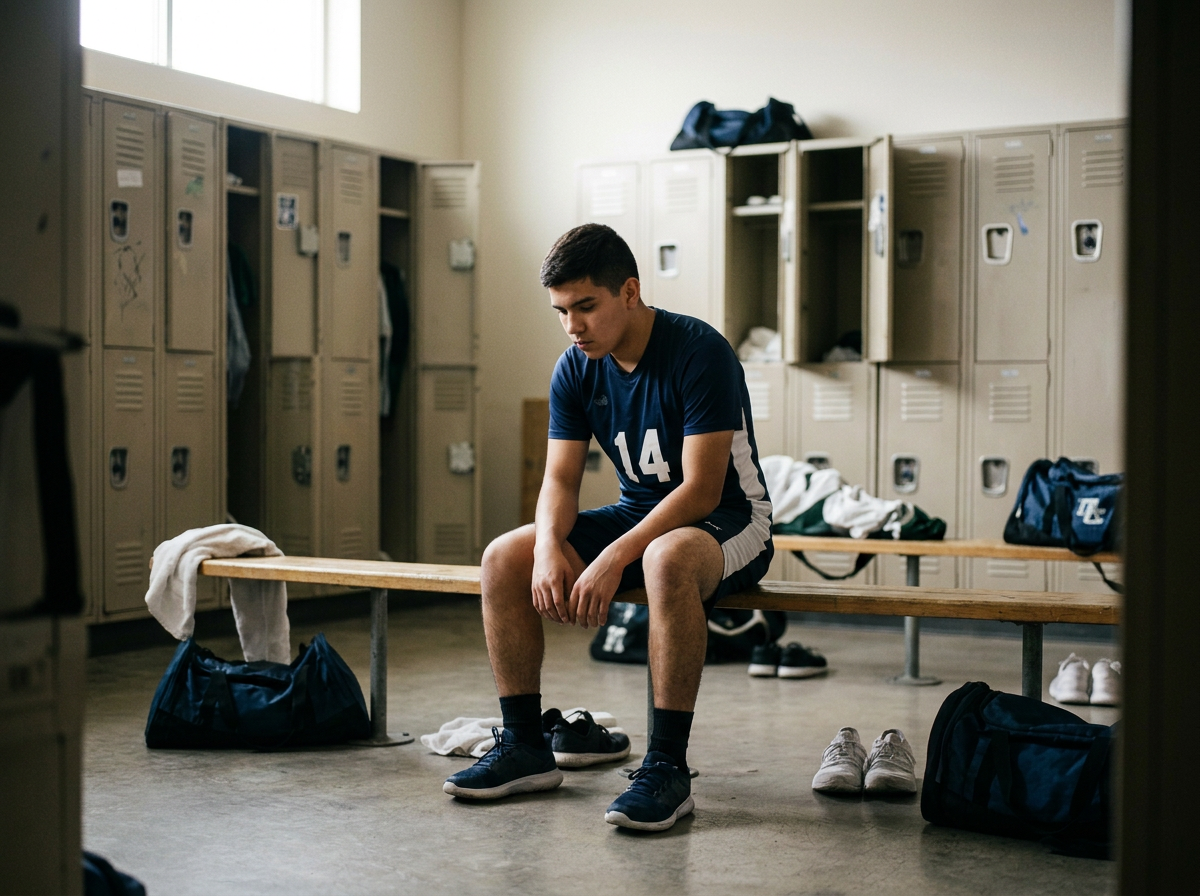
Breaking the Stigma
Research shows that many athletes experience significant mental health concerns, yet these concerns often go unaddressed. According to Athletes for Hope, “Young adults, especially college athletes, the statistics are startling: 33% of all college students experience significant symptoms of depression, anxiety, or other mental health conditions. Among that group, 30% seek help. But of college athletes with mental health conditions, only 10% do so.”
Stigma remains a significant barrier that can prevent athletes from seeking help. Normalizing conversations about mental health, creating safe and supportive environments, and encouraging open communication can make a meaningful difference in an athlete’s overall health and well-being.
In recent years, athletes have increasingly recognized the importance of prioritizing their mental health and speaking openly about their experiences. Many elite athletes have used their platforms to reduce stigma and advocate for greater awareness and support. Notable advocates include Michael Phelps, Simone Biles, and Kevin Love.
By speaking openly about their mental health, these athletes have helped reinforce an important message: Seeking support is not a sign of weakness. Mental health is an essential part of overall well-being, and athletes deserve the same care and support for their emotional health that they receive for their physical health.
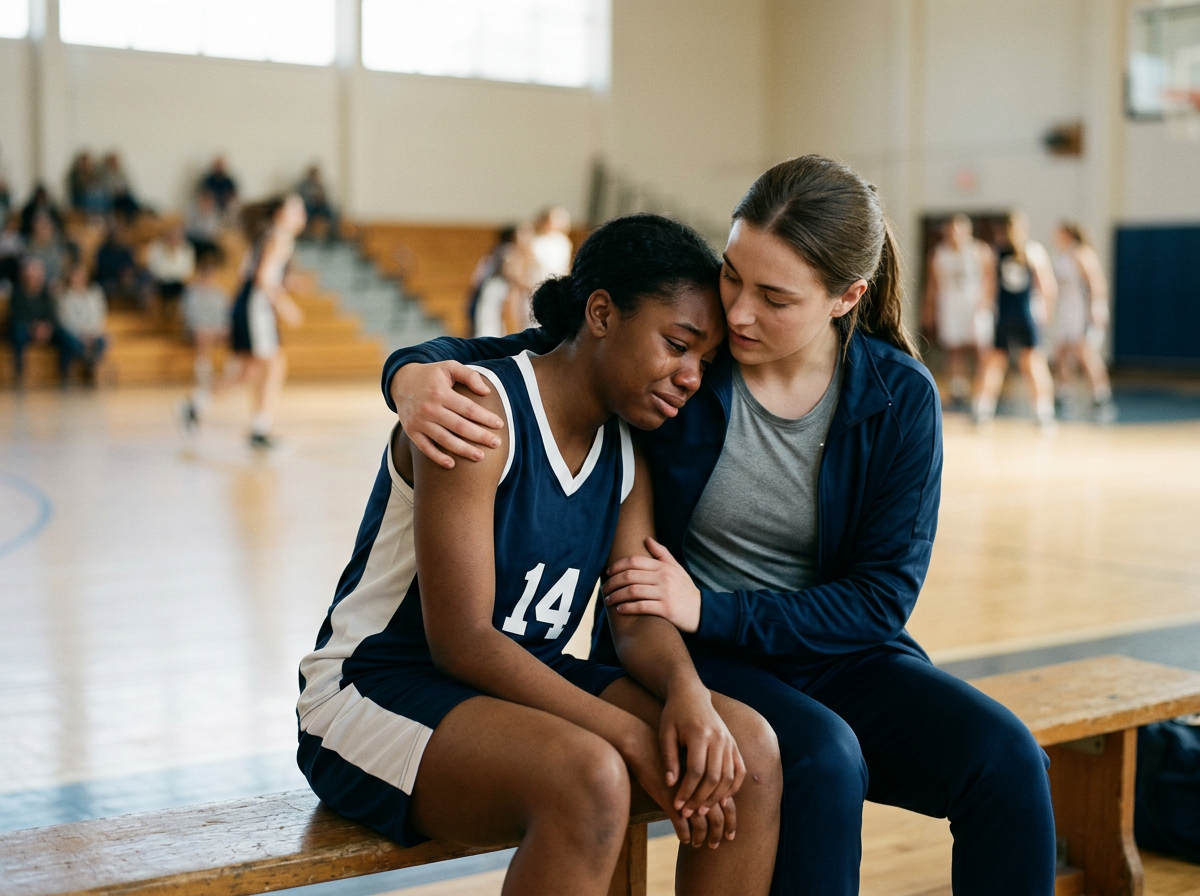
What Can We Do?
Watch for Warning Signs
Start by paying attention to changes in an athlete’s behavior or well-being. Warning signs may include changes in mood, sleep, motivation, performance, eating habits, social behavior, or interests. Increased isolation or withdrawal can also be an indication that an athlete may be struggling.
Prioritize Rest and Recovery
Rest and recovery are essential components of both physical and mental health. According to Athletes for Hope, “Sleep is not passive downtime; it is active neurological recovery. Protecting sleep protects mood, emotional regulation, and cognitive performance. Treating poor sleep early is a form of mental health prevention, not a luxury.”
Adequate sleep supports mood, cognitive functioning, reaction time, and physical recovery. Sleep deprivation, on the other hand, can negatively affect concentration, decision-making, and athletic performance.
One way to promote healthy sleep habits is to use the R.E.S.T. framework:
R — Rhythm: Maintain a consistent sleep and wake schedule, even on weekends.
E — Environment: Keep the bedroom dark and cool, and limit technology before bedtime.
S — Sleep Hygiene: Avoid caffeine in the afternoon and begin preparing for bed about 30 minutes before bedtime.
T — Time Off: Unplug, slow down, and give your mind an opportunity to rest.
Separate Identity from Performance
Athletes are more than their wins, losses, statistics, or performances. They are whole people with family, friends, academic responsibilities, interests, hobbies, and values.
It is important for athletes to develop an identity that extends beyond their sport; to recognize who they are, not just what they do.
A simple exercise is to identify three things you enjoy that have nothing to do with your sport. Consider who you are when you are not wearing your uniform or competing. Developing these parts of your identity can help build resilience, confidence, and a stronger sense of self.
In my work with athletes, I believe this practice can be one of the most valuable ways to support long-term mental well-being.

Develop Healthy Coping Strategies
Healthy coping strategies can help athletes build resilience and recover from mistakes, setbacks, or a “bad play.” Different strategies work for different people, so encourage athletes to find the techniques that work best for them.
Some strategies to try including:
Using a cue word, such as “ready” or “let’s go,” to reset after a mistake.
Visualization before competition
Deep breathing or other breathing techniques
Keeping a gratitude journal
Practicing positive self-talk or affirmations
The goal is not to eliminate stress or mistakes, but to help athletes develop healthy ways to respond when challenges arise.
Encourage Athletes to Seek Support
Seeking help should be viewed as a strength and an important form of self-care, not a weakness. Creating an environment where mental health can be discussed openly can help athletes recognize when they are struggling and feel safe reaching out for support.
Parents, coaches, teachers, and other trusted adults all have a significant role to play. Sometimes, simply asking, “How are you really doing?” and creating space to listen can make a meaningful difference.
If you or someone you know could benefit from support, consider reaching out to a licensed mental health professional or another trusted provider. If someone is experiencing a mental health crisis or is in immediate danger, contact emergency or crisis services.
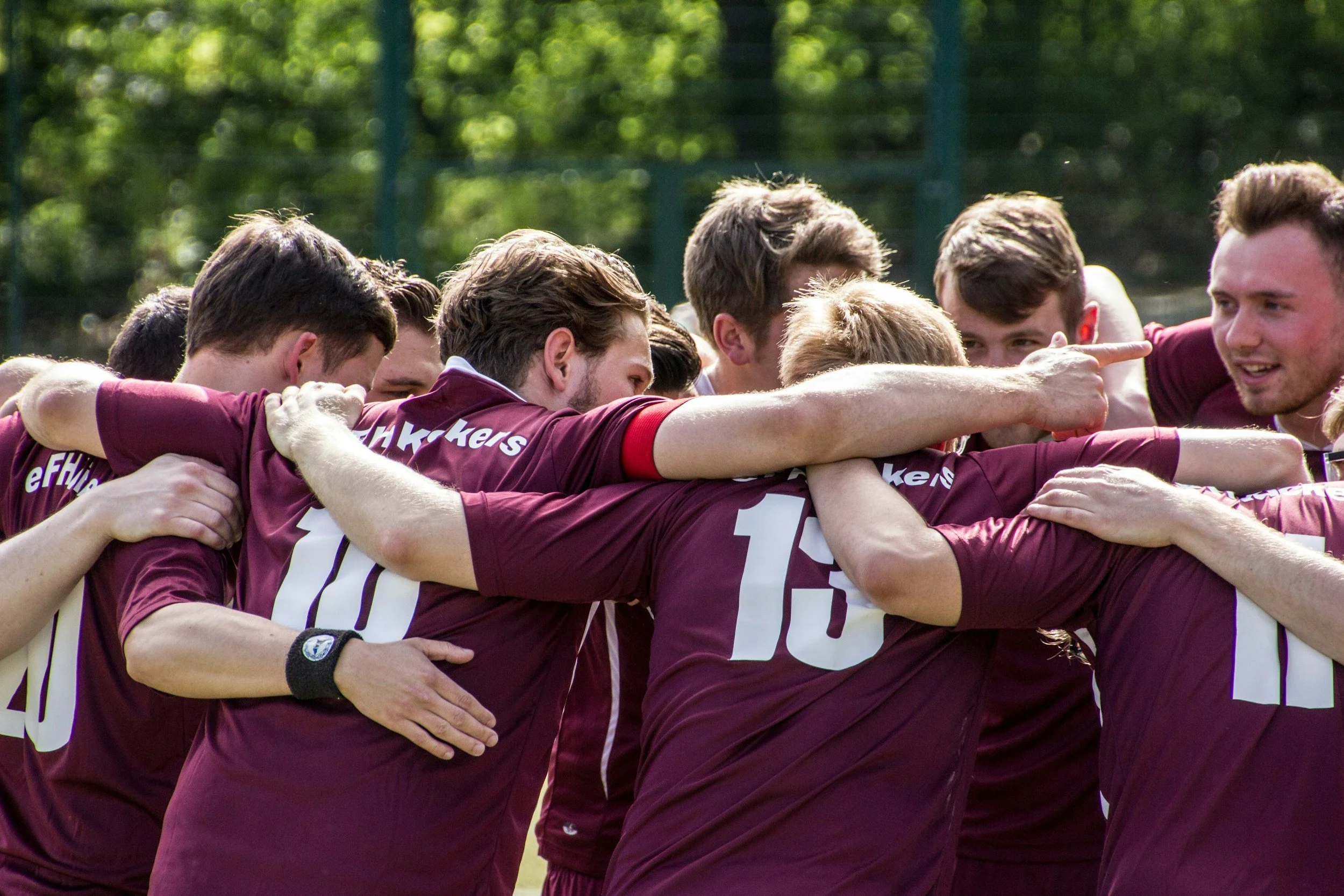
Be the Change
Supporting an athlete means looking beyond performance and recognizing the person behind the uniform.
When athletes have dedicated support systems and feel comfortable talking about mental health, they are better equipped to care for both their minds and their bodies. As parents, coaches, educators, clinicians, and other influential adults, we can help create a culture where mental health is valued, conversations are welcomed, and seeking support is normalized.
Our athletes are more than their performance. Let us work together to remind them of that.
Please reach out to Lotus Therapy Group if you or someone you love is struggling. We will tailor a treatment plan specifically designed for you! Contact us at Lotus Therapy Group, 708-552-7330 or email us at lotustherapygroup@gmail.com.